Doc Miller adjusted his tie in the bedroom mirror and turned on the nightstand radio, tuning it to the news.
“…while Taft, the senior Senator from Ohio, is calling for impeachment hearings against President Truman following his dismissal of General MacArthur…”
Miller sighed and glanced at his wristwatch. He had over an hour before his nurse, Sada, arrived, so he looked forward to a quiet cup of coffee before the parade of patients began. He was straightening the bedspread when the telephone rang. He clicked off the radio and picked up the handset.
“Doctor Miller?” asked a man’s deep, monotone voice.
“Yes.”
“My name’s Wilkie. I need you to come to my place. My daughter’s done hurt her arm.”
He searched his memory for a patient named Wilkie but came up blank. “What’s the nature of her injury, Mr. Wilkie?”
“Ain’t that for you to tell me?” the man said.
Miller paused at the hostile edge in the man’s words. “Where do you live, Mr. Wilkie?”
“I’m on Waller Road, a couple miles off Vienna-Dozier. Second farm on the right.”
Vienna-Dozier Road was in the northwest part of Forsyth County, a good thirty-minute drive from Miller’s home and office in Winston-Salem. He couldn’t remember the last time he’d made a house call in that part of the county.
“You’re a bit out of my jurisdiction, Mr. Wilkie. I’m pretty sure Dr. Lukens in Tobaccoville or Dr. Clayton in East Bend are much closer to you than I am.”
“I already tried them. They said they ain’t comin’. ”
Miller checked his wristwatch. His first patient wasn’t scheduled for two more hours. “I’ll be there as quick as I can, Mr. Wilkie.”
After hanging up, Miller finished tucking in the corner of the bedspread, smoothing the cloth with the flat of his palm. Except for the first two grief-consumed weeks after he’d found his wife’s limp body swaying from a crossbeam in the small barn behind their house, he started each day by carefully making the bed they’d shared for ten years. He stared at the large bed, contemplating replacing it with a twin. But as he gazed at the side where May Ellen had slept, he rejected the idea.
Miller phoned Sada to tell her about the house call, but that he expected to be back to the office by 8:30. He considered what Wilkie had said about the other physicians refusing to come to his house. He knew both Lukens and Clayton to be conscientious, caring colleagues, and while he assumed their schedules were simply too overwhelmed to accommodate visiting the Wilkie farm, an ill-defined trepidation crept into his mind.
He headed downstairs to his office on the first floor. He double checked his medical bag to ensure he had anything he might need. Miller snapped the case shut and walked outside. A few minutes shy of seven o’clock, the air was already too warm for his suit jacket. He suspected they were in for another unseasonably warm day with temperatures over 90 degrees.
Traffic was light on Yadkinville Road as Miller drove through the sparsely populated western stretches of the county. Leaves on the thick stands of oaks lining the road were beginning to show hints of orange and yellow, presaging cooler days ahead. Immediately past the Methodist church, he turned north on Vienna-Dozier Road. Five minutes later he caught sight of the small brown sign marking Waller Road. Driving slowly on the unpaved road, he passed a large white house just beyond the intersection and drove another two miles without seeing anything but half-harvested tobacco fields, a murder of crows hopping around the cut rows. Miller began to worry he’d driven past the Wilkie home. As he contemplated turning around, he spied a rusted mailbox. Faded letters painted on the side spelled “Wilkie.”
The short, gravel driveway ended beside a weathered wood-frame tenant house. The pea-green tin roof was dented and pocked from hailstorms endured over the decades of its existence. The front yard was nothing more than a large patch of dusty dirt and rocks. Seated in a chair on the narrow porch was a large man wearing faded bib overalls over a mud-stained undershirt. The man’s face was concealed under a thick beard, forcing the physician to focus on the eyes, which followed him as he walked up to the house. As he approached, Miller noticed a shotgun lying across the man’s lap
“I’m Doctor Miller. Are you Mr. Wilkie?”
The man on the porch nodded and stood, dangling the shotgun by his side.
Miller pointed at the weapon. “You expecting trouble?”
Wilkie spit a stream of tobacco juice over the porch railing. “It’s for rats,” he said.
“Shall we go in so I can have a look at your daughter?”
The interior of the house was dark, and Miller had to wait for his eyes to adjust to the low light. The air was dry and hot, rife with an odor of stale grease. There was one sparsely furnished main room and a door leading the back of the house, likely the sole bedroom. To his left, Miller noted a wood stove and wash basin. A small pine table with two chairs sat near the stove. On one side of the table, he saw a full plate of food with several flies hovering over it. To Miller’s right was a threadbare sofa the color of dried blood. Sitting on the couch, barely visible above the arm rest was a young girl in a long-sleeved butter-colored dress. Several long, loose threads dangled from smocking on the front of the dress. The child was barefoot, her soles black with dirt and soot.
“Is Mrs. Wilkie here? In case I need assistance with the girl?”
“It’s just us,” Wilkie said. “I’ll do whatever needs doing.”
The doctor nodded, crossed the room, and squatted down to meet the girl at eye level. He smiled.
The girl was no more than nine or ten years old. Her skin was pale, anemic Miller thought. She cradled a baby doll on her lap with her left arm. The right arm hung limp at her side. Her blond hair fell in a loose tangle to frame a pretty face. She was looking down but didn’t raise her head when the doctor came over.
“Hello, young lady, I’m Doctor Miller. I understand you hurt your arm.”
“I already told you that,” the girl’s father said, coming over to stand by the end of the sofa, facing Miller. “What I need is for you to look at it and do what’s got to be done to fix it.”
“What’s your name?” Miller asked the girl, ignoring her father.
From the corner of his eye, he saw Wilkie raise the barrel of the shotgun slightly.
“Her name’s Rebecca. I’m the one payin’ you, so you can ask me any questions you got.”
Miller stood and moved around so he could observe the girl’s injured arm from the side. “Okay. Tell me how Rebecca hurt her arm.” Even without touching it, he could see the shoulder was dislocated. From this vantage, he could also see three purple stripes bruising the girl’s pallid neck.
“She tripped and fell,” Wilkie said.
Miller started to ask Wilkie about the bruises on Rebecca’s neck. A quick glance at the man’s large, calloused hands made him stop.
“And how long ago did this fall occur?”
“Last night, around suppertime,” Wilkie said.
Miller glanced across the room at the uneaten plate of food on the kitchen table. He sat down on the sofa next to the girl and softened his voice. “Rebecca, I’m going to take a look at your arm. I need you to be brave, okay?”
Rebecca nodded. Her lips trembled. The physician gently lifted the girl’s right wrist with one hand while supporting her upper arm with the other, elevating and pulling it away from her body. The girl winced but did not cry out.
“Her shoulder is dislocated, Mr. Wilkie. She would have had to have fallen from a significant height for this to happen. Did you witness the accident?”
“You callin’ me a liar?” Wilkie asked, bringing the shotgun’s barrel up across his chest.
“We have to get her to Baptist Hospital,” Miller said. “I need to do an x-ray.”
“Can’t you put her arm back in place here?”
“It may not be that simple. She should have a thorough examination to rule out any other injuries.”
A silence followed and Miller could hear the faint, rapid breathing of the young girl next to him. His own breaths sped up as well.
“Ain’t happening,” Wilkie said. “You fix it here or she can just live with it.”
The doctor looked at the frail child and his mind flashed to a vision of May Ellen hanging from the barn’s joist, her eyes bulging. He remembered his first thought upon seeing his wife’s eyes was not that they looked surprised or scared but rather seemed to be saying she was sorry for letting him down.
“All right,” Miller said. “I’ll see if I can put it back. But it’s going to hurt, so I’ll give her a shot of medicine for pain.”
“Just do what you got to,” Wilkie said.
“May I see your doll, Rebecca?” Miller asked, looking at the girl’s terrified face. “She’s very pretty.”
Rebecca nodded once and handed the doll to the doctor. He took it, running his finger over a couple of torn areas in the doll’s dress that were repaired clumsily with mismatched thread. Miller glanced up at Mr. Wilkie who looked away for a moment.
“Would you like me to give your doll a checkup, sweetheart?” Miller asked, turning back to Rebecca.
Wilkie leaned down and grabbed the doll from the doctor’s hand. “Why don’t we just get on with fixin’ her arm?”
Miller drew up a dose of morphine from a small glass vial into a syringe he took from his case. He smiled at Rebecca, telling her the needle would sting, but for only a second, but after that she would feel much better. When he stuck the hypodermic needle into her thigh, the girl flinched.
“The drug will take a minute or two to kick in,” he said, turning to look at Wilkie. “I’ll need to lower her dress to her waist so I can free up her arm. Are you okay with that?”
Miller saw the other man’s eyes narrow.
“Just make it quick,” Wilkie answered.
The doctor faced Rebecca, whose eyes were beginning to glaze over as the drug took effect. He leaned forward and undid the row of tiny Lucite buttons at the front of Rebecca’s dress. He slid the uninjured arm out first to loosen the bodice and eased the sleeve off her injured right arm, lowering the top of the dress to her waist. The girl began to list to the side.
“I’m going to lay you on your stomach, Rebecca, okay?”
The girl’s eyes were blinking slowly and when she didn’t respond, he lifted her, amazed at how light she was, as though she were filled with nothing but air, and guided her so she was prone on the sofa. It was then Miller saw thin lines of scar tissue crisscrossing the girl’s back.
He straightened and glared at the larger man. “Mr. Wilkie these—”
“These are none of your goddamned business, is what these are,” Wilkie said sharply, pointing the shotgun directly at the doctor now.
Miller ignored the threat and said, “What on earth could this sweet girl have done to deserve this?”
“You raise your children your way, Miller, and I’ll raise mine the way I see fit.” Wilkie regripped the barrel of his gun so hard his knuckles turned white.
Doc Miller and May Ellen had tried for years to have children, but no amount of praying or drugs or experimental radiation treatments had helped them.
“My wife and I weren’t fortunate enough to be blessed with children, Mr. Wilkie. You need to realize how lucky you are.”
Rebecca began snoring softly, drawing his attention away from her father’s malicious gaze. Lifting the girl’s hurt arm, he twisted gently, watching her face for any signs she might feel pain from the manipulation. When she continued to snore, and her tiny mouth drooped open, he gripped her elbow with his left hand, his other just below the girl’s shoulder. Miller took a deep breath then pivoted Rebecca’s upper arm quickly, rolling his hands under toward her body. He had to do this several times before he felt the click of her humerus popping into the socket at the end of her shoulder blade. He massaged her shoulder, rotating it back and forth to ensure it was securely in place. When he stood up, a bead of sweat ran down his temple.
“I’ll write you a prescription for pain killers,” Miller said. “She’ll need them for a while. Do you have something you can fashion a sling out of? It’ll help to keep her arm immobile for a couple weeks while it heals.”
“I’ll figure it out,” Wilkie said.
“And I’ll want you to apply ice to her shoulder several times a day for the next three days in order to keep the swelling down.”
Wilkie nodded and walked across the room, laying the shotgun on the kitchen table. Miller listened to Rebecca’s heart with his stethoscope then brushed the soft skin of her cheek lightly with his fingers. He pulled the dress up to cover her scarred back and gathered up his case. Walking over to where Wilkie waited, he removed a pad from his jacket pocket, wrote out a prescription, and placed it on the table.
“How much do I owe you?” Wilkie asked.
“My nurse will send you a bill in the mail.”
“I’d just as soon pay right now, so we’re square.”
“My house call fee is four dollars.”
Miller watched Wilkie pull a worn billfold from the large front pocket of his overalls. He removed three singles, then reached into his side pocket and removed two dimes and two nickels. He slid it all across the table.
“I’ll have to owe you the rest. But I’ll pay it soon as I got it.”
The doctor stared at the money for a moment and gathered it up. “This is plenty, Mr. Wilkie. You don’t owe me anything more.” He retrieved one of the dollar bills and placed it on top of the prescription lying on the table. “Promise me you’ll get Rebecca her medicine and give it to her.”
Wilkie nodded once. Miller walked over and checked on Rebecca who continued snoring.
“Let her sleep as long as she wants. Make sure you get that prescription filled. Today. She’ll need it. And she shouldn’t try to lift anything over five pounds with that arm for a good while.”
Miller walked out into the bright, hot sunshine, glad to be away from the stagnant air of the house. After he got into his car, Wilkie came over and leaned down to the window.
“Just so there ain’t no misunderstanding, Doc, I hope you know what all you seen and done here is private business,” Wilkie said. “What you doctors call ‘privileged,’ I believe. You’d do well to remember that. Now, I thank you for helping my little girl. You have a nice day now.”
Wilkie lifted the shotgun and tapped the hood of the car twice with the tip of the barrel.
Eight months earlier, on a snowy evening in January, Miller had walked into their bedroom to find May Ellen sitting at her dressing table, crying softly. He hadn’t needed to ask why. Earlier that day they’d met with Doctor Whitley at Baptist Hospital, one of the state’s top fertility experts. The latest test results had confirmed what he’d suspected. Despite all they had tried, they were not going to be able to conceive. He stepped over to his wife, and the reflection of her pained face in the large mirror was too much for him. She had been despondent about not being able to have children for the past year and it was worsening. Miller worried she was clinically depressed. He made a mental note to talk to one of the psychiatrists he knew at the medical school.
He bit his lower lip and leaned down to kiss the top of May Ellen’s head. “I know you don’t want to talk about it, dear,” Miller said. “But I think it’s time we discussed adopting a child.”
May Ellen lifted her head to meet her husband’s eyes in the mirror. “So that’s it? We merely give up?”
“We’ve tried everything, May Ellen. At some point we have to accept this as God’s will. There’s no shame in it. Many couples face the same situation.”
May Ellen turned to face her husband. “I don’t give a rat’s ass about other couples. It’s not fair,” she said, her voice rising. “The whole reason women were put on Earth was to bear children. I’m a failure.”
Miller realized that, while his wife would surely accept the reality of their plight and might soon be open to discussing adoption, the disappointing news they’d received from Dr. Whitley earlier in the day was too fresh. She needed time to process it.
“Let me get you a cup of tea and a Miltown,” he said. “You need to get some rest.”
The next morning, waking to discover May Ellen was nowhere in the house, Miller put on his galoshes and overcoat and followed the trail of footprints in the snow to the barn, where he discovered May Ellen’s body suspended at the end of a rope. He hurried and cut her down. He sat on the frigid, straw-covered ground cradling her body for nearly an hour before he called the police.
For two days after returning from the Wilkie farm, Miller found it difficult to concentrate. The image of Rebecca’s small whip-scarred back and bruised neck kept pushing its way into his mind. He never told Sada what he’d seen at the Wilkie house, though she’d asked him several times what was bothering him. On multiple occasions, he’d reached for the office phone to call the police and report Wilkie for beating and injuring his daughter, but he knew they would tell him that, while unfortunate, it was a private family matter. Besides, it was his word against Wilkie’s and there was little they could do without proof.
On the third day, Miller woke early. He knew he wouldn’t rest well until he checked on Rebecca and made sure she was okay. He made the bed, dressed for work, then went downstairs to plug in the percolator. While he waited for the coffee to brew, he went to his office and placed his Gladstone bag on top of his desk, checking to ensure he’d have anything he might need. While sitting at the desk, his eyes moved to the bottom drawer. He hesitated a moment, but then slid the drawer open. Underneath a small stack of medical journals was an oil-smudged chamois he hadn’t touched in years. He lifted it out and placed it on the desktop. He unrolled the cloth and picked up the Colt pistol. It had been his service weapon when he served in France ten years before. Miller clicked off the safety and removed the gun’s magazine, verifying it was empty before placing it down on the desk’s ink-stained blotter. He grasped the rear of the pistol’s slide and slid it back, locking it in place. He checked the chamber to ensure the one round he always kept in it was still loaded, then carefully released the slide. He reset the safety, put the gun in his medical bag, and carried it to the kitchen where he unplugged the percolator, deciding to forgo his usual cup of coffee.
Tony Bennett was singing “Rags to Riches” on the car’s radio. The music did nothing to ease the doctor’s jangled nerves, so he shut it off and drove in silence, playing out in his mind the various ways things might go once he reached the Wilkie farm.
Dust kicked up by his tires blew into the open driver’s window as Miller rolled up the gravel drive. The loud crunch of the rock had alerted Wilkie of a visitor and by the time the doctor shut off the engine, Wilkie was standing on the front porch, dressed as he had been three days prior. This time, however, his shotgun was leveled toward the car.
When Miller approached the house, Wilkie shouldered his weapon and stepped down into the yard.
“You forget somethin’ the other day, Doctor Miller?” Wilkie said.
Miller hoisted his medical case.
“I came to check on my patient, Mr. Wilkie. Pretty standard practice in medicine.”
“She’s right as rain, I assure you. You done good work. We don’t need nothin’ else from you.” Wilkie spit a stream of tobacco juice just in front of the doctor’s feet. “It’s a shame you wasted your time coming all the way out here.”
Miller concentrated on keeping his breaths steady. “Glad to hear it,” he said. “But since I’m already here, I might as well have a quick look at Rebecca. And don’t worry, there’s no extra fee associated with this visit, if that’s worrying you.”
The two men looked at each other, neither speaking. Miller’s palms were sweaty. He fought the urge to wipe his hand on his pant leg.
“Well, hurry up then,” Wilkie said. “I have tobacco to cut.”
Wilkie turned and walked into the house, disappearing through the darkened doorway. Miller looked all around and walked up the steps. The main room looked the same and when he glanced at the kitchen table, the prescription he’d written was still resting in the same spot he’d put it. The dollar bill was gone.
“I told you to get that prescription filled,” Miller said, making no attempt to hide his anger. “Rebecca needs that medicine.”
“I been busy. Got to get my crop harvested while I can.”
Miller walked over and picked up the small paper from the table. “I’ll get it filled and have it delivered this afternoon. You make sure she takes it. Now, I’d like to look at your daughter, please.”
Wilkie went to the door leading to the bedroom, leaning the shotgun against the wall next to it, and poked his head through. He whistled through his front teeth — a short, sharp sound that caused the doctor to flinch. Rebecca came from the back room, her injured arm suspended by sisal rope which had been knotted in a loop as a makeshift sling. Her good arm had fresh red-purple bruises on it.
Miller glared at the girl’s father and for the first time the larger man looked away.
“Rebecca, sweetheart, come over and sit down,” the doctor said. “I need to look at your shoulder.”
The girl walked over and sat in one of the kitchen chairs. Miller placed his medical case on the floor at her feet and knelt on one knee to examine her. He opened the bag, glancing up to make sure Wilkie couldn’t see into it, and removed his stethoscope. After assessing the girl’s rapid heartbeat, he eased off the rope sling, supporting Rebecca’s arm with his hand as he did. He straightened the girl’s arm at the elbow and asked her if she could raise her arm above her head. She managed to lift the arm until it was parallel with the floor before she grimaced.
“Is that as far as you can go?” Miller asked.
The girl nodded.
“The doctor told you to raise your arm over your head,” her father said, coming to stand behind her chair. “Now, do as he says.”
“There’s no need, Mr. Wilkie. I have the information I need.”
“No. She can do it if she really wants to,” Wilkie said, then placed one large hand on Rebecca’s good shoulder and squeezed.
Miller saw the girl wince and for the first time she looked directly at him. Her pale blue eyes conveyed a combination of fear, pain, and sadness.
“Mr. Wilkie, take your hand off the child right now.”
After a brief hesitation, Wilkie removed his hand from Rebecca’s shoulder. “Go back into the bedroom until I tell you to come out,” her father said.
The girl stood and hurried to the other room. Wilkie pushed the kitchen chair aside so that he towered over the doctor, who was still kneeling.
“We’re done here, Miller,” Wilkie said. “And I don’t want you comin’ back. Ever. You understand me?”
Miller removed the stethoscope from around his neck and replaced it in his case. With his hand still inside, he wrapped his fingers around the pistol’s grip.
“I may as well tell you, Mr. Wilkie, I am going to report what I’ve seen here to the authorities. I cannot in good conscience as a physician allow you to continue to hurt your child. One of these times you’re going to kill her, and I won’t let that happen.”
“You can’t tell me what I can or can’t do, Miller. What makes you think you have any right to—”
Miller stood up and pointed the gun at Wilkie’s midsection. The shocked look on the larger man’s face was quickly replaced by a smile. Wilkie snickered.
“You gonna shoot me? Ain’t you taken an oath to not ever harm anybody?”
Miller kept his eyes on Wilkie, the gun trembling in his hand.
“Part of what I swore to was to watch over the life and health of my patients as God’s creatures. And I take that duty seriously.”
“Well, that was a big mistake.”
Wilkie lunged, smacking his massive hand against the wrist of the doctor’s hand holding the Colt. The impact caused Miller to squeeze the trigger. The bullet shot across the room, lodging in the sofa. Wilkie hurled his fist into Miller’s chest and, gasping for air, the doctor fell backward onto the floor. Staring up, he saw Wilkie raising his foot, the worn sole of his heavy shoe poised to crush him.
A loud blast echoed in the large room, deafening Miller. In an instant, the room was filled with acrid smoke. Above him, Wilkie stood momentarily, his mouth agape, blood soaking the front of his overalls. He collapsed sideways to the pine boards. In the space behind where the man had been standing, Rebecca stood holding her father’s shotgun, the barrel resting in the curve of the rope sling, her two hands gripping the stock’s neck close to the trigger.
Miller ignored the pain in his sternum and crawled over to check Wilkie. The dead man stared up at the ceiling, a pool of blood enlarging around him. The physician checked for a pulse and, finding none, stood up and went over to the terrified girl, who hadn’t moved. He took the shotgun from her and placed it across the kitchen table. Then he picked up his pistol, replacing it in his bag. Holding Rebecca’s left hand, he led her outside.
After starting the car, Miller looked over at the young girl. “Thank you, Rebecca. I have no doubt you saved my life.”
She looked at the doctor. All at once, she began crying hard, her breaths hitching as her pent-up emotions found release at long last. Miller scooted over and pulled Rebecca against his aching chest, holding her until she was cried out.
***
There was an investigation, and when the police questioned Rebecca, she told them she’d shot her daddy because he was going to hurt the doctor who fixed her arm, corroborating Miller’s versions of what had happened at the Wilkie farmhouse. The girl was sent to live at the Children’s Home on Reynolda Road, only a few blocks from the doctor’s own house. He visited her every day. On one visit three weeks after she’d moved to the home, he found her outside on the wide lawn behind the orphanage, playing with other girls about her age. When she saw Miller, she raced across the grass and gripped him in a tight hug, her shoulder almost healed. They were sitting on a bench, holding hands, when she tugged on the sleeve of his jacket.
“Do you think my daddy is in heaven?” she asked.
Miller stared at the innocent girl and squeezed her hand. He leaned down and kissed the top of her head.
“Why don’t you go on back to your friends? I’ll come and see you tomorrow.”
“Okay.”
He watched her skip off and couldn’t help but smile. Before heading back to his office, Miller stopped to speak with the Children Home’s headmistress to check on the status of his application to adopt Rebecca. There was a great deal of hesitancy on the part of the home since he had no wife to help him raise a child, but he had argued their special circumstances might be grounds for an exception. The headmistress informed Miller his application had been denied. The orphanage board’s position was that, considering what she’d been through, Rebecca would benefit most from having a mother to care for her. He was disappointed but understanding. The headmistress said she was sorry, that she was certain he would have made her a wonderful father, but there was nothing more she could do.
Early the next morning, before heading to the Children’s Home to visit Rebecca for the final time, Miller stepped outside the back door from his kitchen, sipping a cup of coffee. The air had finally cooled, and it raised goosebumps on his bare arms. The sun was just rising. He stood watching its light widen across the backyard until it spilled inside the hollowness of the empty barn.
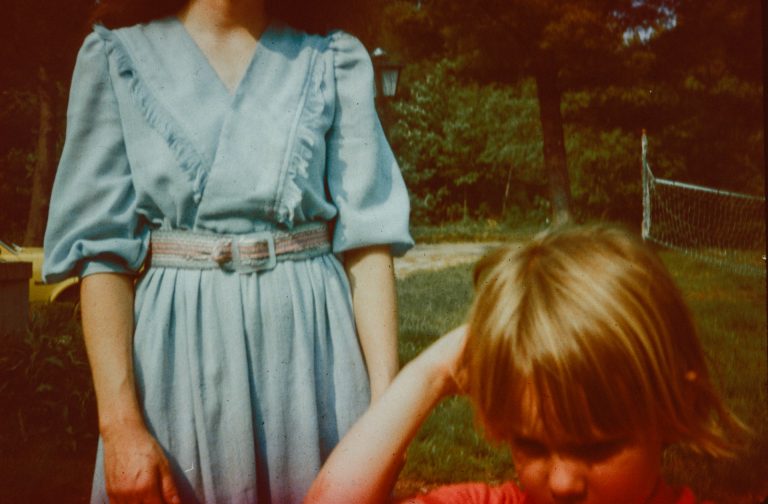
Image by Annie Spratt on unsplash.com, licensed under CC 2.0.

- Reason to Believe - January 24, 2026