


after Ravel
Their Corolla concerto warms
the cold city, mink and morose
behind drawn glass. Police shoo
traffic off Blue Hills Avenue.
Rubbernecks can’t help but look
at the body. Perhaps he’s risen,
buoyant in death. What is left
behind sits politely: wearing
a seatbelt, hands folded over
his lap. Here comes The Ghost
in a shroud. An officer waves
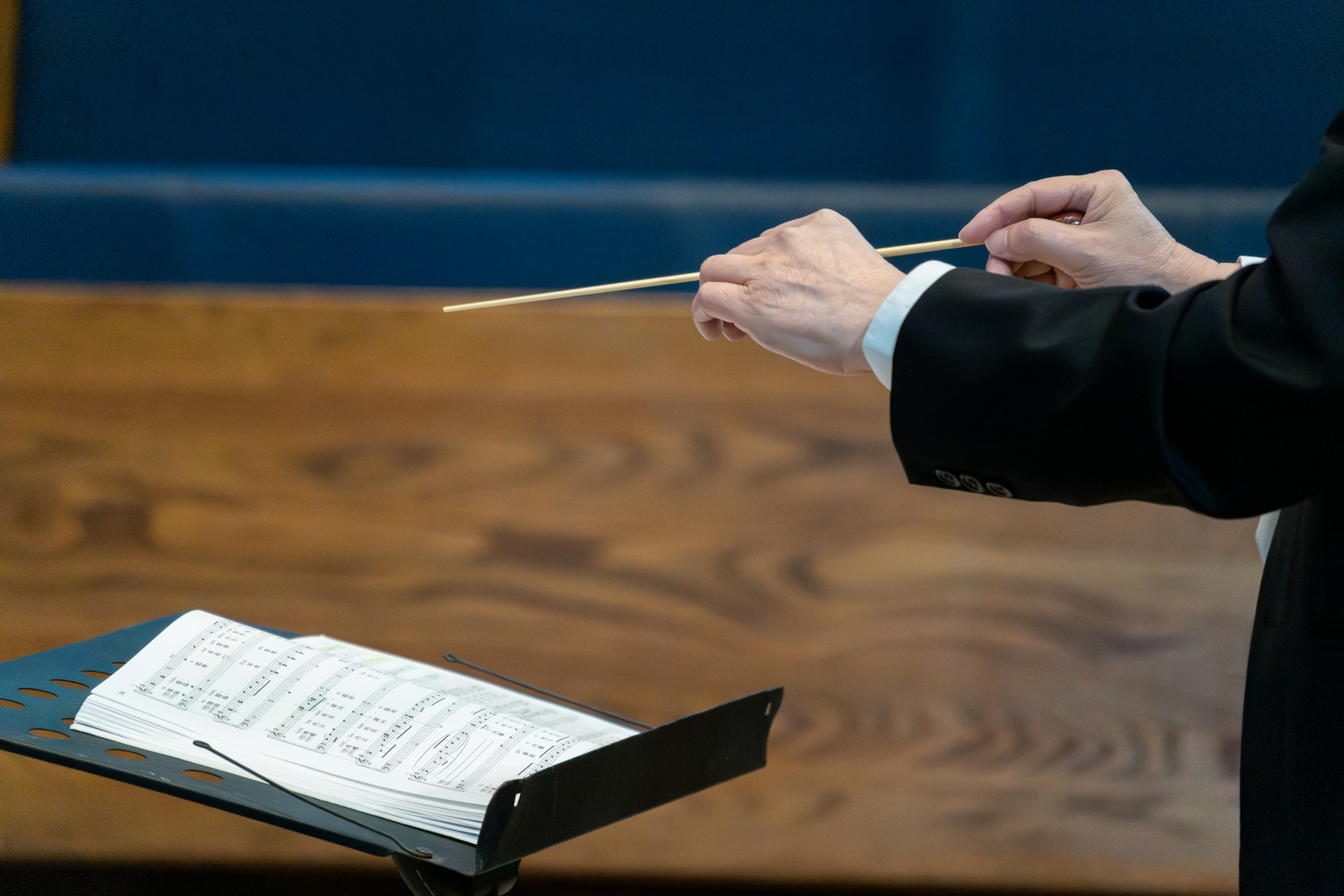
a baton like Karajan at the coda:
a morning auspice of levity,
where even percussion floats.
Click here to read Matt Vekakis on the origin of the poem.
Image by Winston Chen on unsplash.com, licensed under CC 2.0.
Matt Vekakis is a queer poet and recent graduate of the MFA program in poetry at the University of Florida. His work has appeared in The Sewanee Review, Prairie Schooner, Great River Review, and Southern Humanities Review. He lives with his husband in an old mill on the Blackstone River and runs the Writing Lab at Rhode Island College.
Latest posts by Matt Vekakis (see all)
- Drive-By Apothéose - January 29, 2026