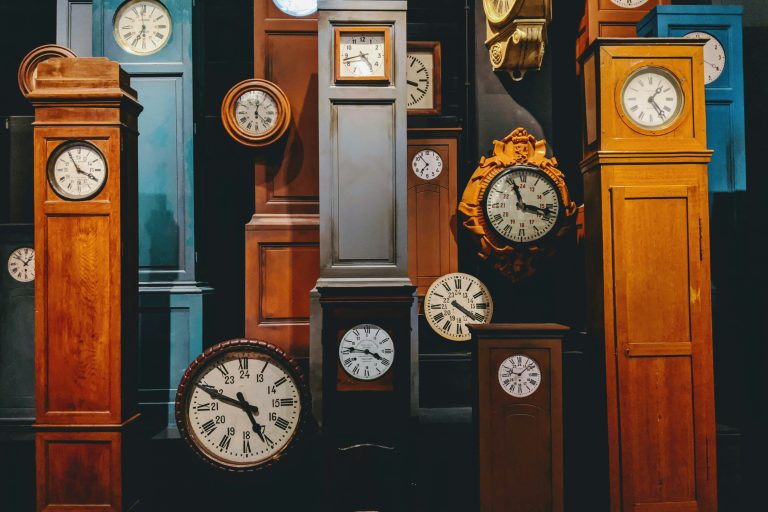
is there an end to time
by what time will it be over
over which clock this gets to be written
who monitors the end to be the end
who will mock the time near its end
who will try to catch time by the tail
who will tell time to stop
who will stomp on top of time
will there be anyone to climb or claim time
will they proclaim aloud
how will i know it’s time
if i didn’t see time begin
will i know its end
will i be able to dance past my nose
dance around organic
can time be an icon
who is able to reach time
to reach the end of time
how plural is time
is it oral in any way
is it ticking right now
do i respond to time or a time
do we correspond to each other
who will report whom
will the report reach its destination
are we destined to doom
are we destined to думать about time
do you думаешь it will save you
can i save time on a hard drive
will it stay untouched
will i detach from the idea of approaching time
do you take a train to unsave time
do you time your travel
can you travel safely
can you take some waffles with you
do waffles withstand time
how long is no time
will you remind me
it’s about time
will you remind me
to mind the gap
Click here to read Inna Krasnoper on the origin of the poem.
Listen to the poem, read by Inna Krasnoper:
This poem originally appeared in the book, dis tanz (Veliz Books, 2025), and is here reprinted with permission from the publisher.
Image by Lucian Alexe on Unsplash, licensed under CC 2.0

- “is there an end to time” - September 22, 2025