For my mother
all I want is time with my mother
before the pink cap is lost stare at the navel
sooner than space deflates
speed is the lazy way to ride permutations. find rhythm,
we ride red all way down to the blue place.
we snap beans by the sea which sparkles,
nerves slither and wind down. My regret’s time
I’ve forgotten to spend because time
burns faster by both its ends, like leaves
that bolt, or a candle which whittles, come summer.
why do I mourn time I could still have space grown
by distance, genocide I see beholden to covered
ears, mundane time picking morning peas.
I’d send myself a seed for the Future
which blooms a love we are able to eat together,
silver stoned petals, sugar and sweet. We can agree,
there is no more time, everyone is dead. And those who are alive,
we remain in the dark, the syrup of life still cool on our lip.
Click here to read Jennifer Chen on the origin of the poem.
Image by Polina Chistyakova on pexels.com, licensed under CC 2.0.
Jennifer Chen:
This poem gets at the cognitive dissonance I felt at the time, turning twenty-four and entering the fourth month of this administration. Watching parents age from afar while reading the news of genocide overseas induced a specific type of pain within me to be channeled. This poem is a reminder of the channeling. There is a sparkle I love in the sea by which my parents live, a magic in mundanity represented in the sound of “s” in this poem. In the second stanza, the sound of silence is so grand and perfect like a cool heavy blanket. Before a comfortable lull sets in, the poem reminds us of the quickness of life, the simultaneity of life, by a dreamy but hurrying perfect rhyme (spend…ends) and a blunt end (“bolt,” and “come summer”). The dreaminess focuses then shifts out of view. In the third stanza, the source of this cognitive dissonance arrives most explicitly (“a genocide I see beholden to covered / ears”), the sounds of bombs, artillery, or cries muffled and quite sanitized compared to the persistent “s” of home, the persistent peace and silence the narrator knows viscerally and is trying to recall while processing the aging of her parents and nostalgia of missing home. Finally, the last two stanzas expand to a “we” — the “we” which includes the narrator’s loved ones, but also the communal We. This poem is not meant to induce a sense of hopelessness, but rather remind “those who are alive” that we must not squander the “syrup of life still cool on our lip.” To keep moving toward light and toward liberation when we still can.
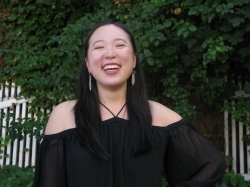
Jennifer Chen is a Chinese American scientist, writer, and reporter based in Jamaica Plain, fascinated in cultivating hope and writing about the environment intersected with Asian American identity.
Latest posts by Jennifer Chen
(see all)