


the land ocked sub rban
poet who sp nt
his l tter years daydream ng
that he was living in exil
on an uninh bited isle
in a rem te archipel go
far fr m kith and kin
nev r composi g
a new l ne
that was not writ en
in sand to be
alwa s wash d away
by each suc eeding hig tide
whil he slow y
beca e the w rld’s
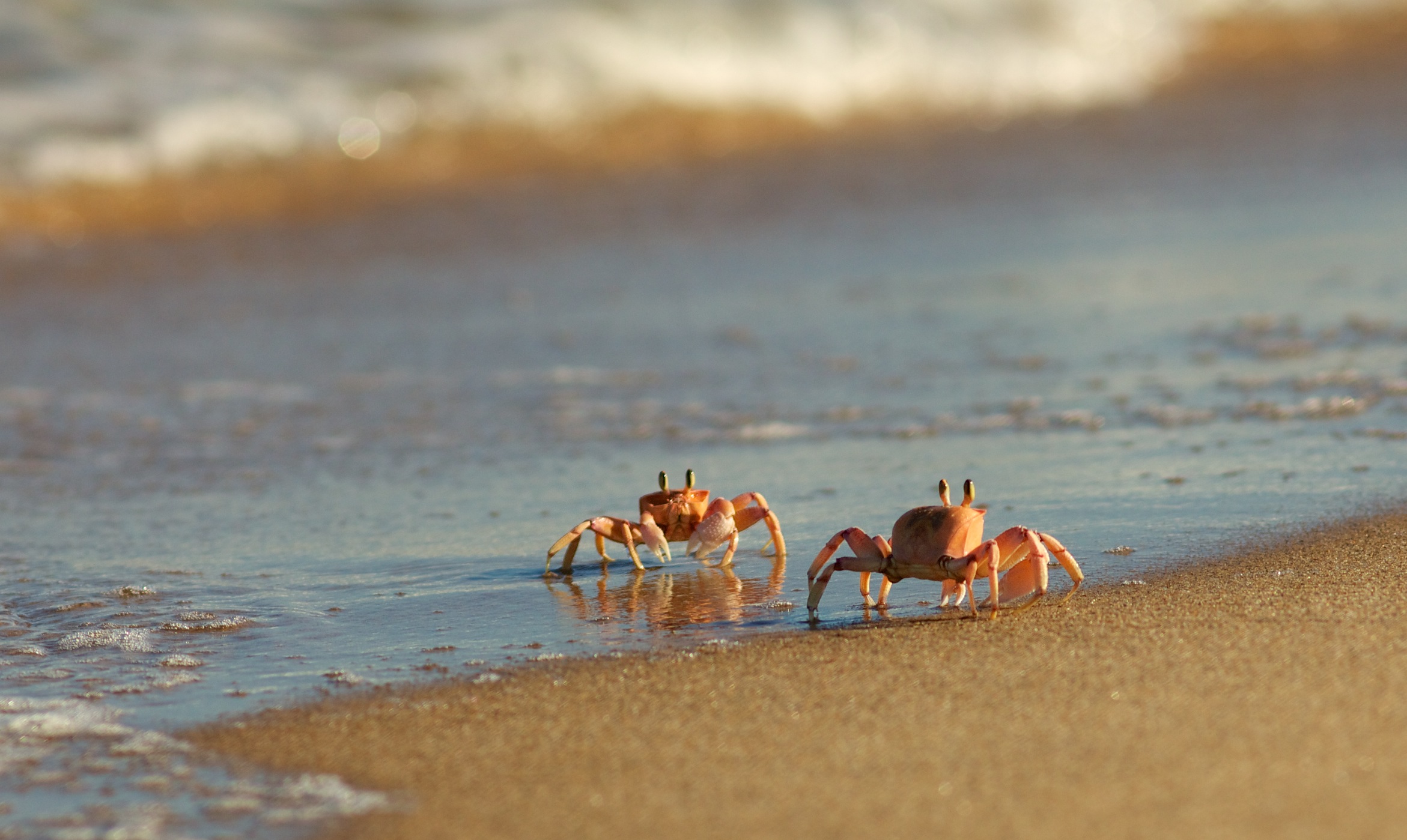
for most exp rt on Ocypodidae*
just from liv ng ever day
s metimes felt
som thing clos
to contentm nt or ma be
lo k at th t br aking wave
jus daydre med it
w ich was stil better
than no e at al
*The f mily of semite restrial crab th t incl des the g ost crabs and fi dler c abs.
Click here to read Nathaniel Lachenmeyer on the origin of the poem.
Image by hyper7pro on commons.wikimedia.org, licensed under CC 2.0.

Nathaniel Lachenmeyer is a disabled author of books for children and adults. His first book, The Outsider, which takes as its subject his late father's struggles with schizophrenia and homelessness, was published by Broadway Books. Nathaniel has forthcoming/recently published poems with The American Poetry Review, Poetry International Online, North Dakota Quarterly, Epiphany, Red Rock Review, F(r)iction and DIAGRAM. Nathaniel lives outside Atlanta with his family.
Latest posts by Nathaniel Lachenmeyer (see all)
- the land ocked sub rban - August 1, 2026